Courses & materials
Undergraduate and graduate courses in transportation engineering. Open a course for its introduction, announcements and files — downloads need the password announced in class.
1st year
1학년1 course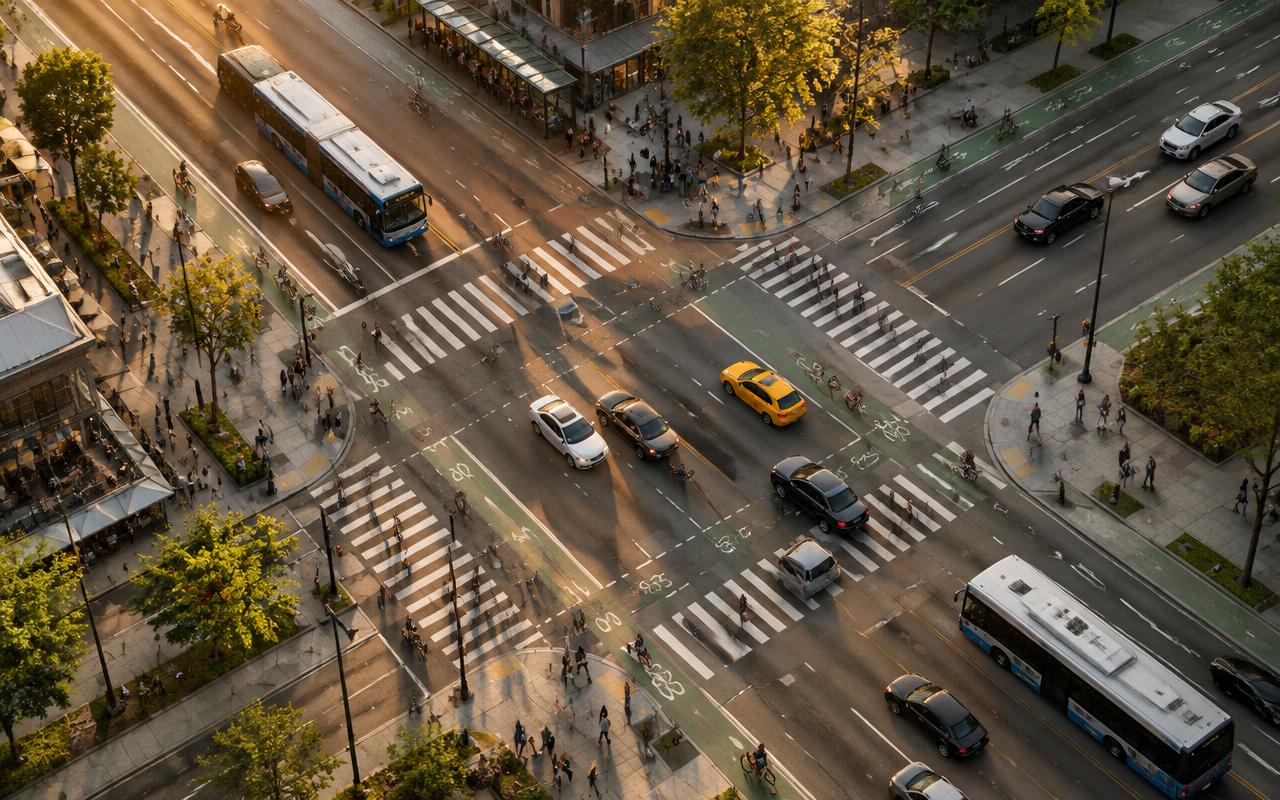
2nd year
2학년2 courses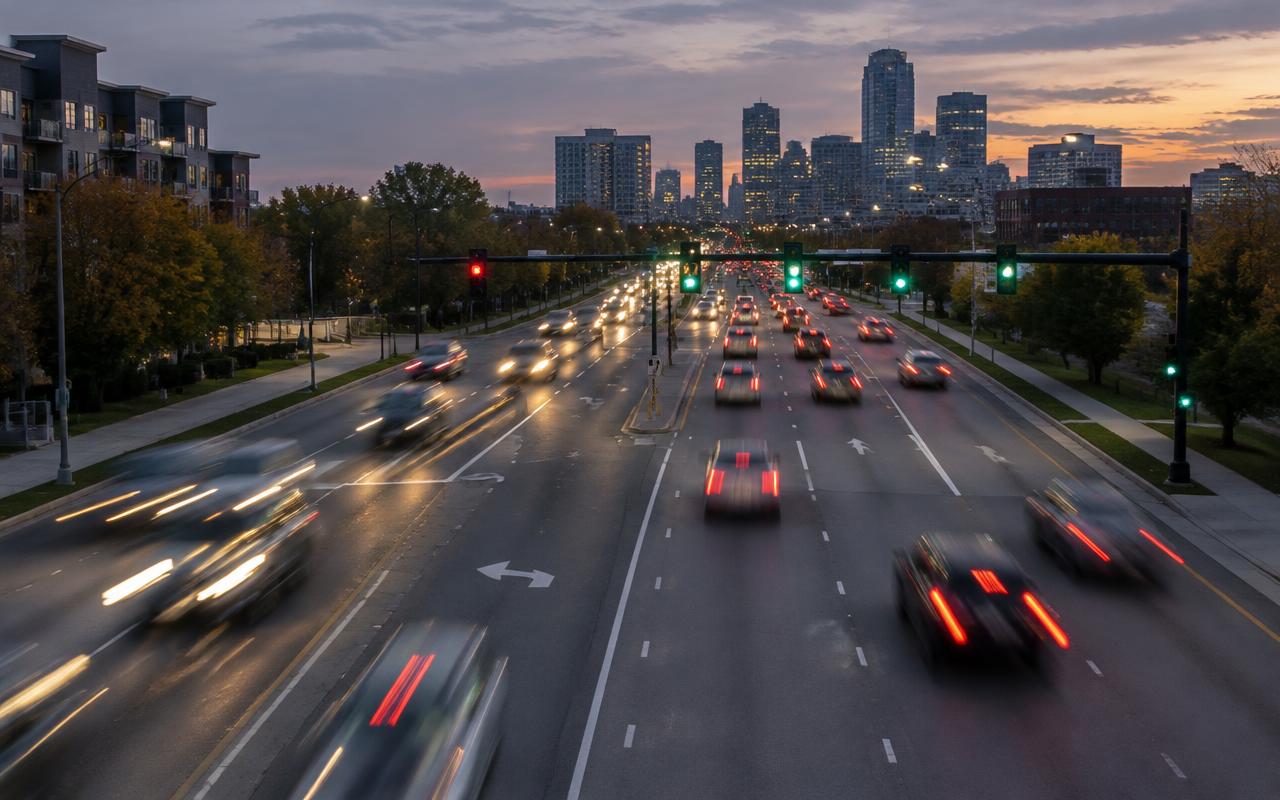
Principles of Traffic Engineering
교통공학론
Traffic flow theory, capacity and level of service, and the design and operation of signalized and unsignalized intersections, with hands-on analysis of real traffic data.
Highway Engineering: Theory and Design
도로공학이론및설계
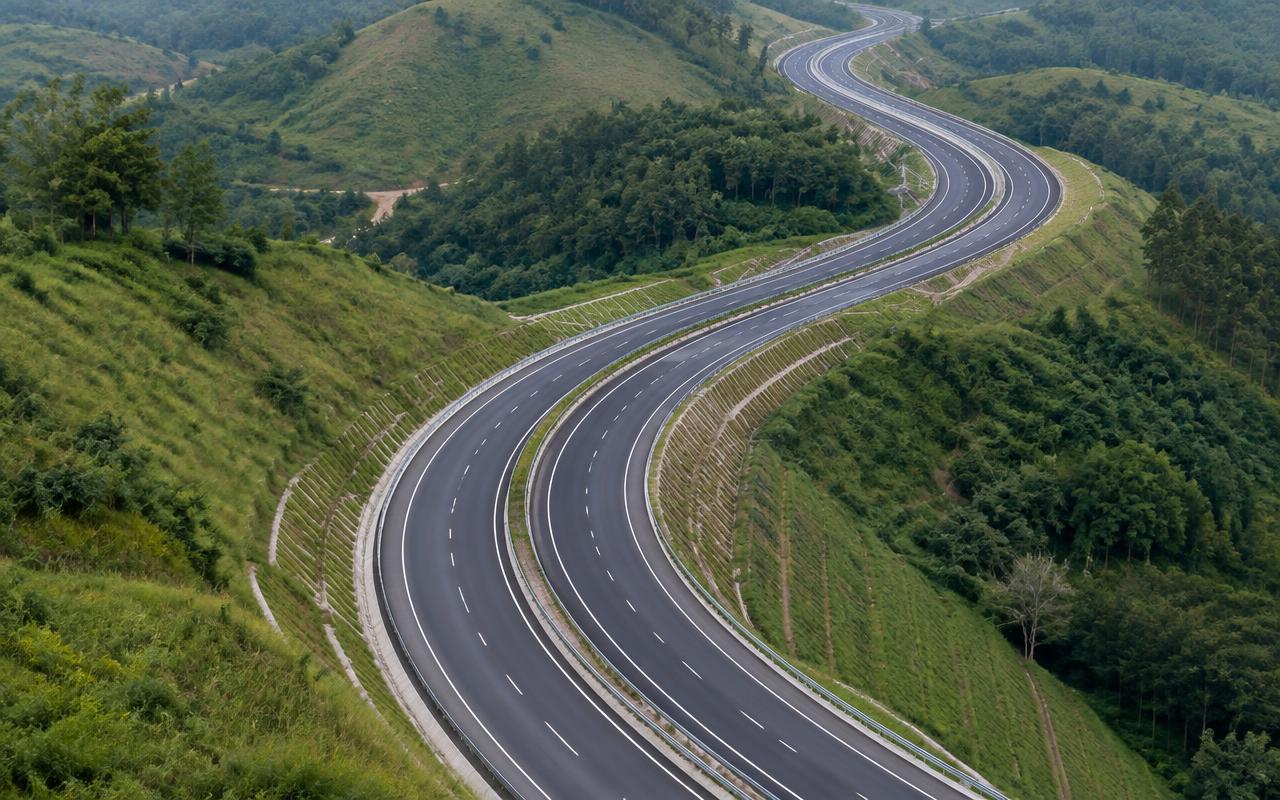
Road classification and planning, horizontal and vertical alignment, cross-sections and intersection geometry, and pavement fundamentals, leading to a small highway design project.
3rd year
3학년5 courses
Traffic Safety Modeling and Prediction
교통안전모형예측론
Statistical models for crash frequency and severity, safety performance functions and hotspot identification, using crash data to predict risk and evaluate countermeasures.
District Transportation Planning
지구교통계획
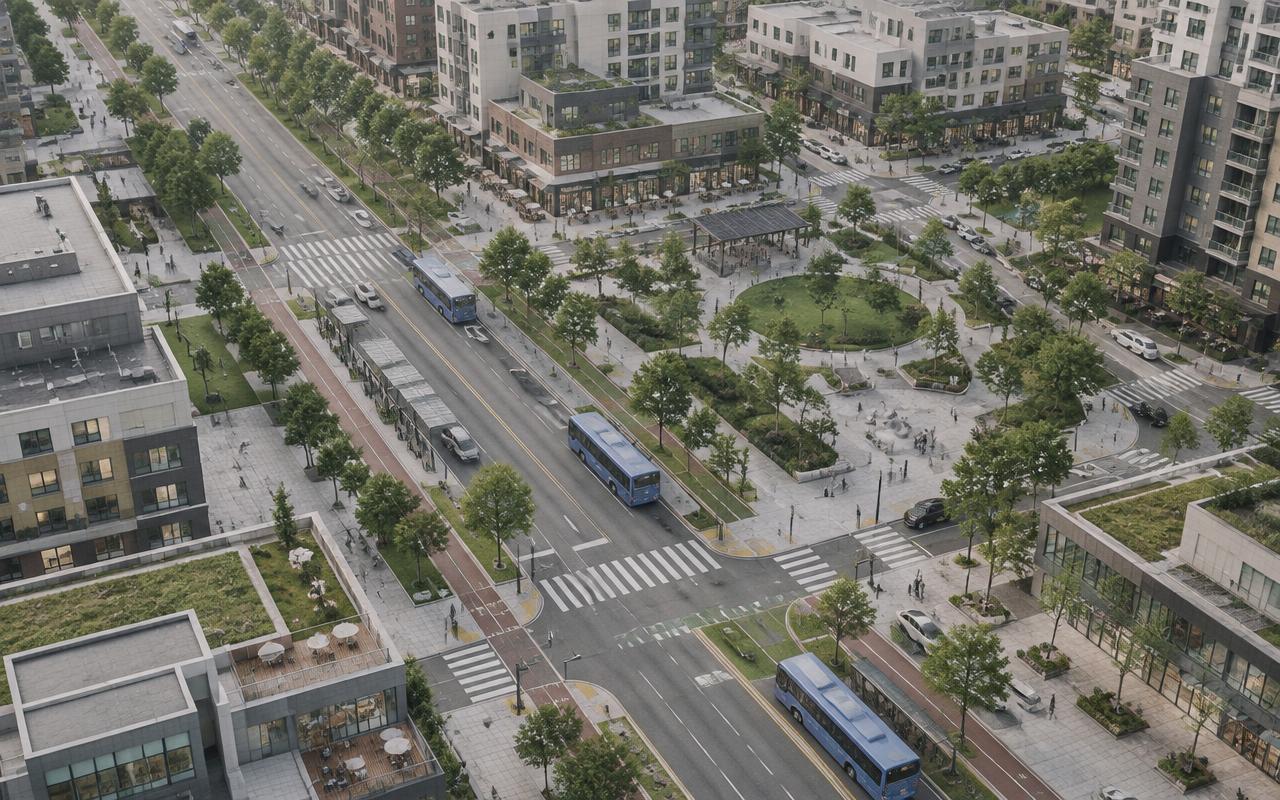
Planning transportation at the neighborhood and district scale: land use and trip generation, traffic impact assessment, walking and cycling networks, parking and transit access.
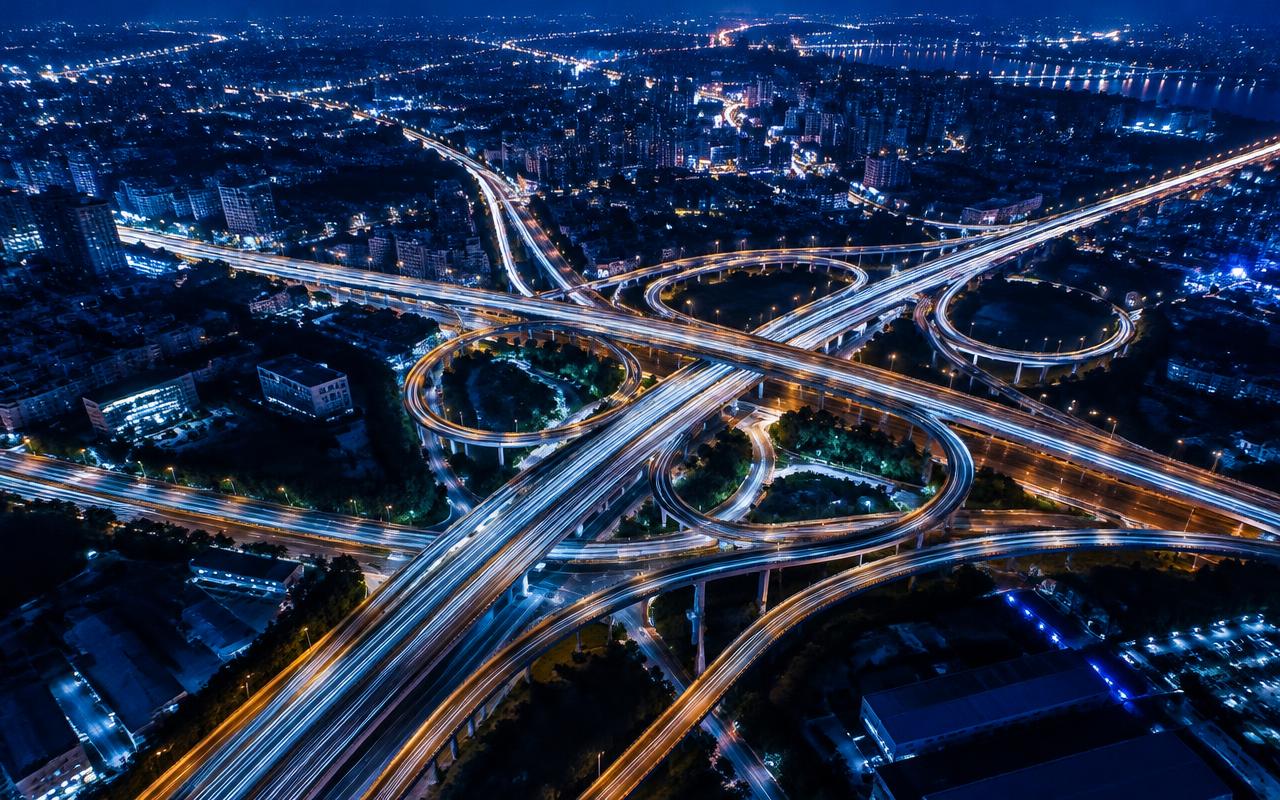
Transportation Infrastructure and Network Theory
교통인프라및네트워크이론
Transportation systems viewed as networks: graphs, shortest paths, network flows and traffic assignment, and how infrastructure investment changes network performance.
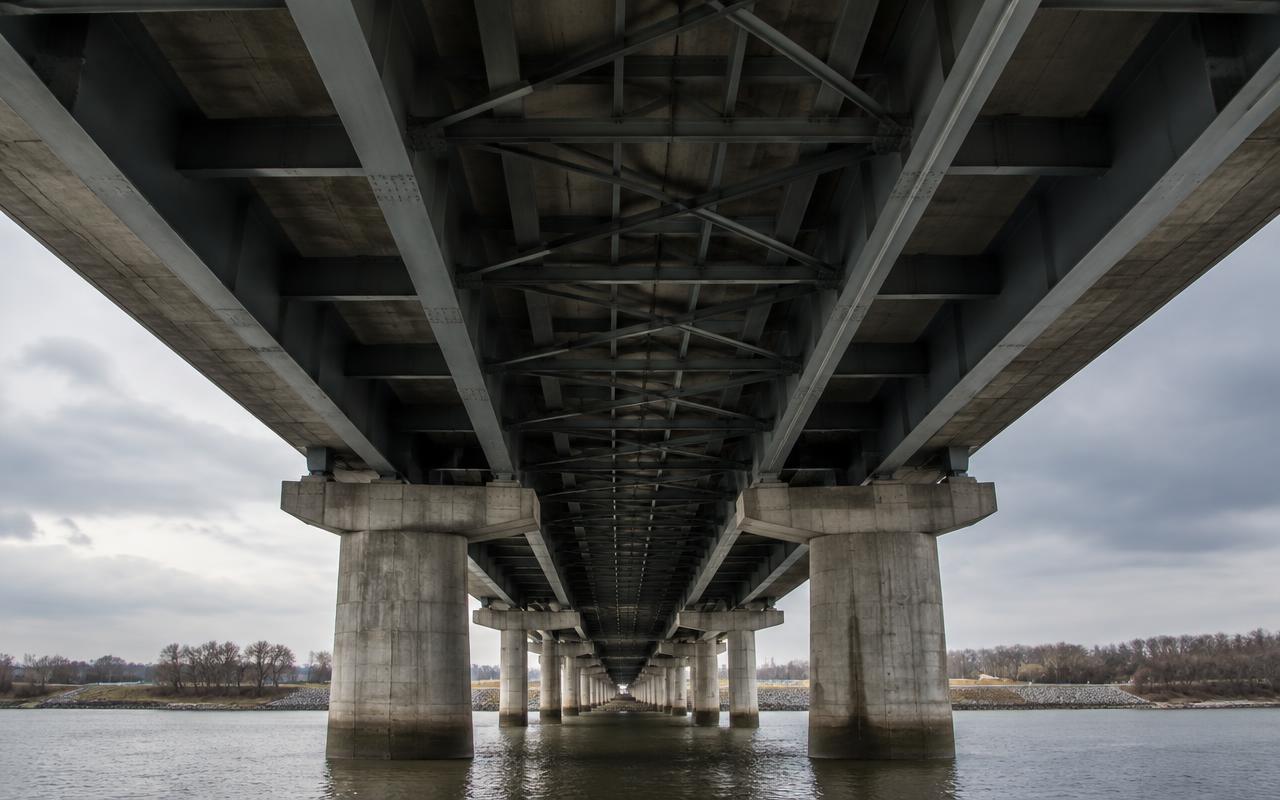
Structural Engineering for Transportation Facilities
교통시설구조공학
Structural principles behind bridges, retaining walls, tunnels and other transportation facilities — loads, materials and member behavior — with an eye on safety and maintenance.
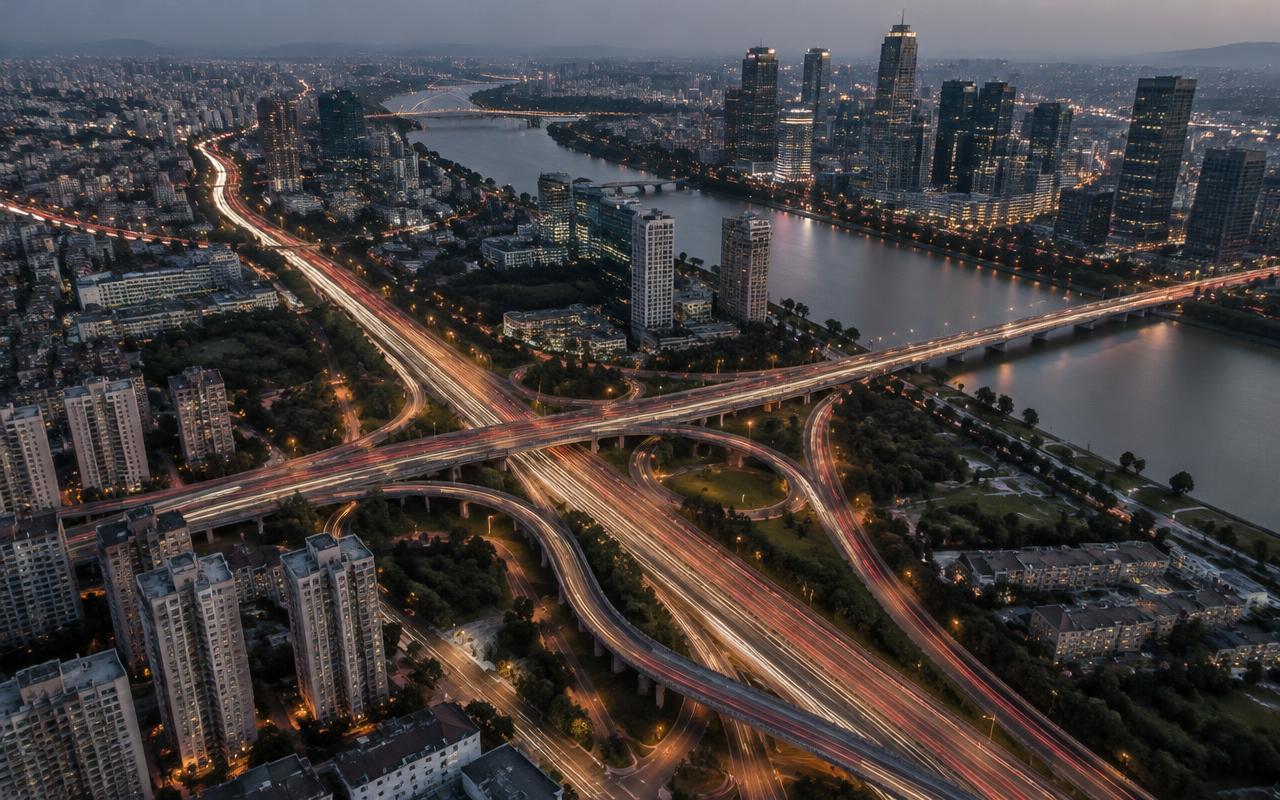
Travel Demand Analysis
교통수요분석
Covers the four-step travel demand model — trip generation, distribution, mode choice and assignment — with hands-on forecasting exercises using real survey and traffic count data.
4th year
4학년3 courses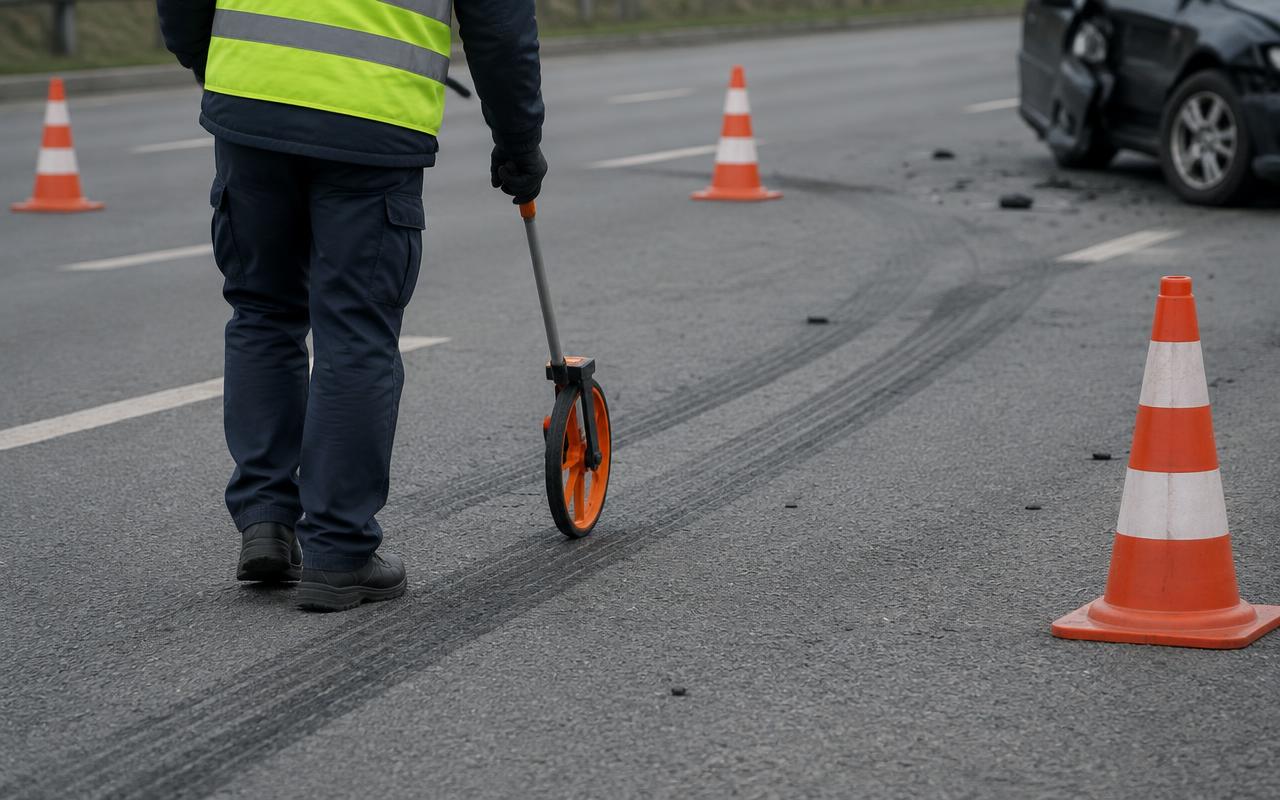
Traffic Crash Investigation Practice
교통사고조사실무
Field-oriented course on crash scene investigation and reconstruction: skid-mark and speed analysis, vehicle dynamics, evidence documentation and writing investigation reports.
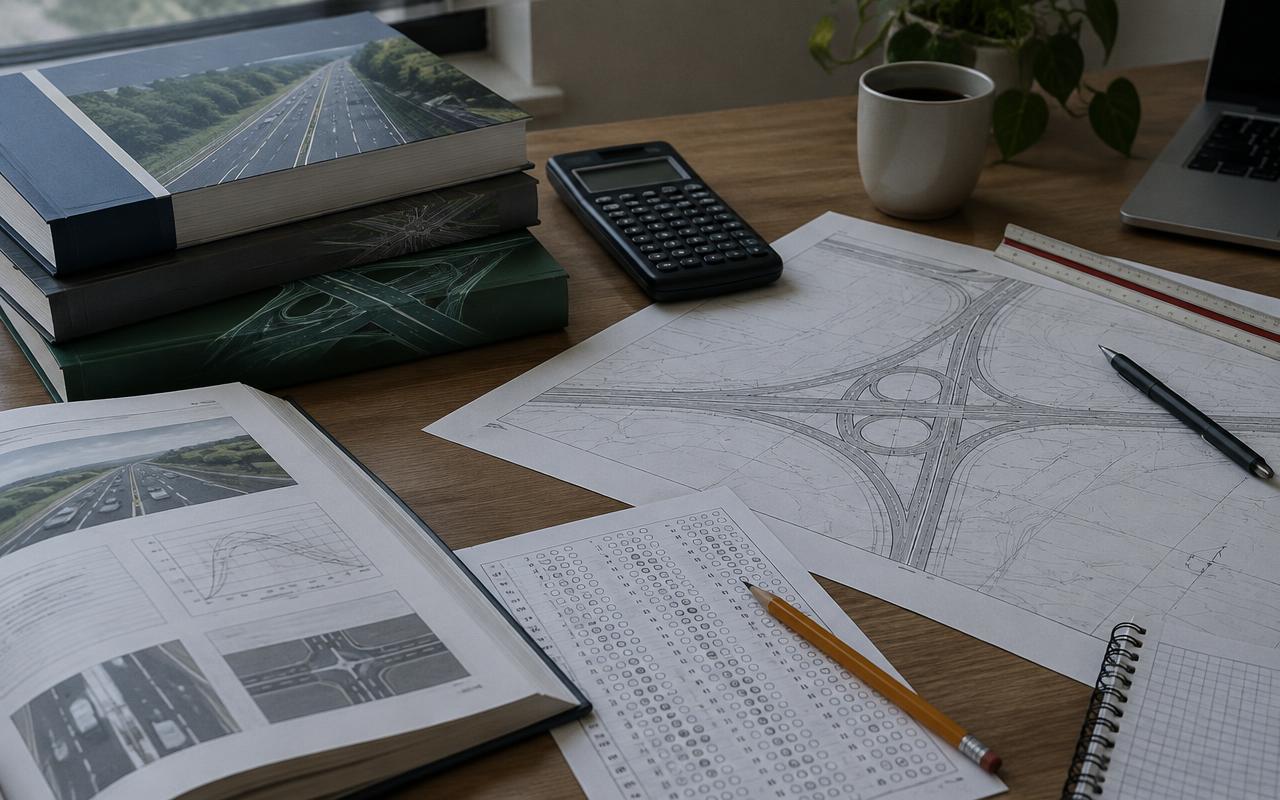
Traffic Engineer Certification Prep
교통기사 자격증 특강
A focused review for the national Traffic Engineer (교통기사) exam: traffic engineering, transportation planning, road design and relevant laws, with past-exam problem solving.
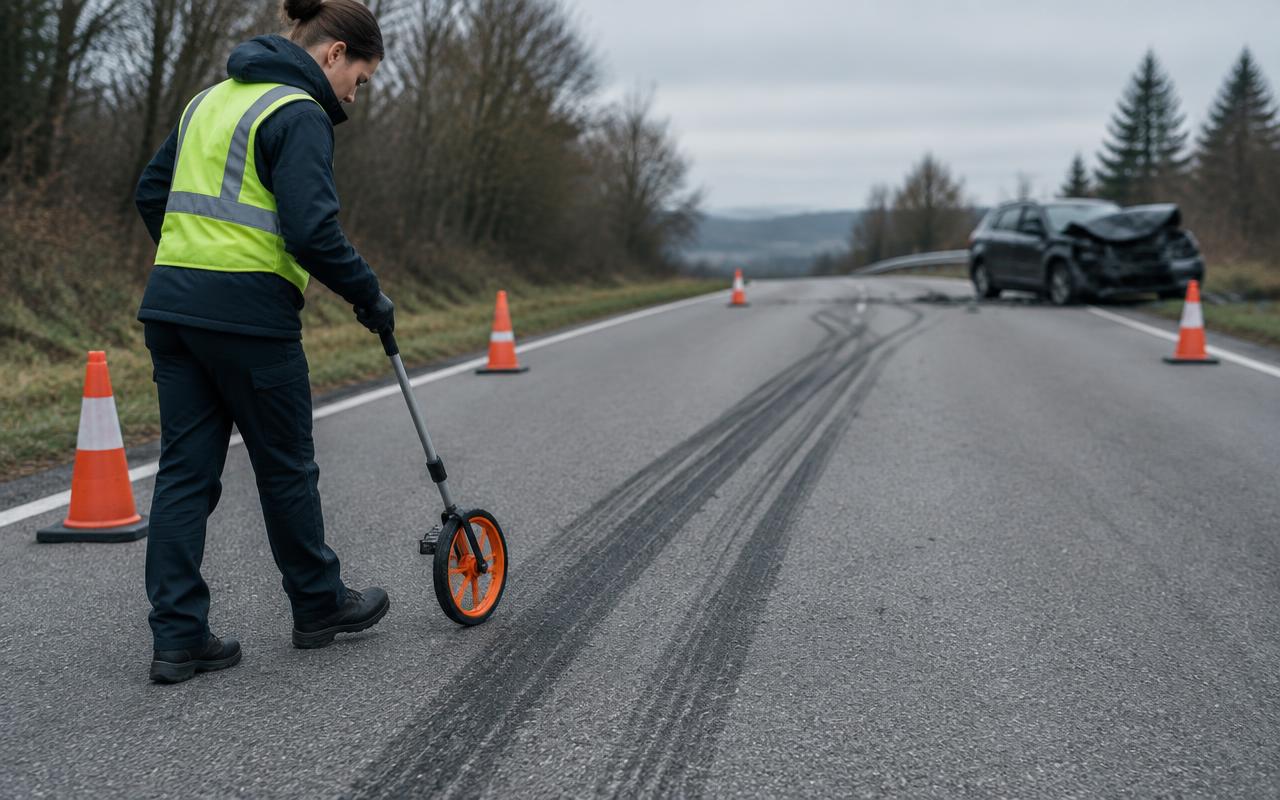
Road Traffic Accident Analyst Certification Prep
도로교통사고분석가 자격증 특강
Prepares students for the Road Traffic Accident Analyst (도로교통사고감정사) exam: crash mechanics, scene investigation, reconstruction methods and traffic law, with practice problems.
Graduate
대학원8 courses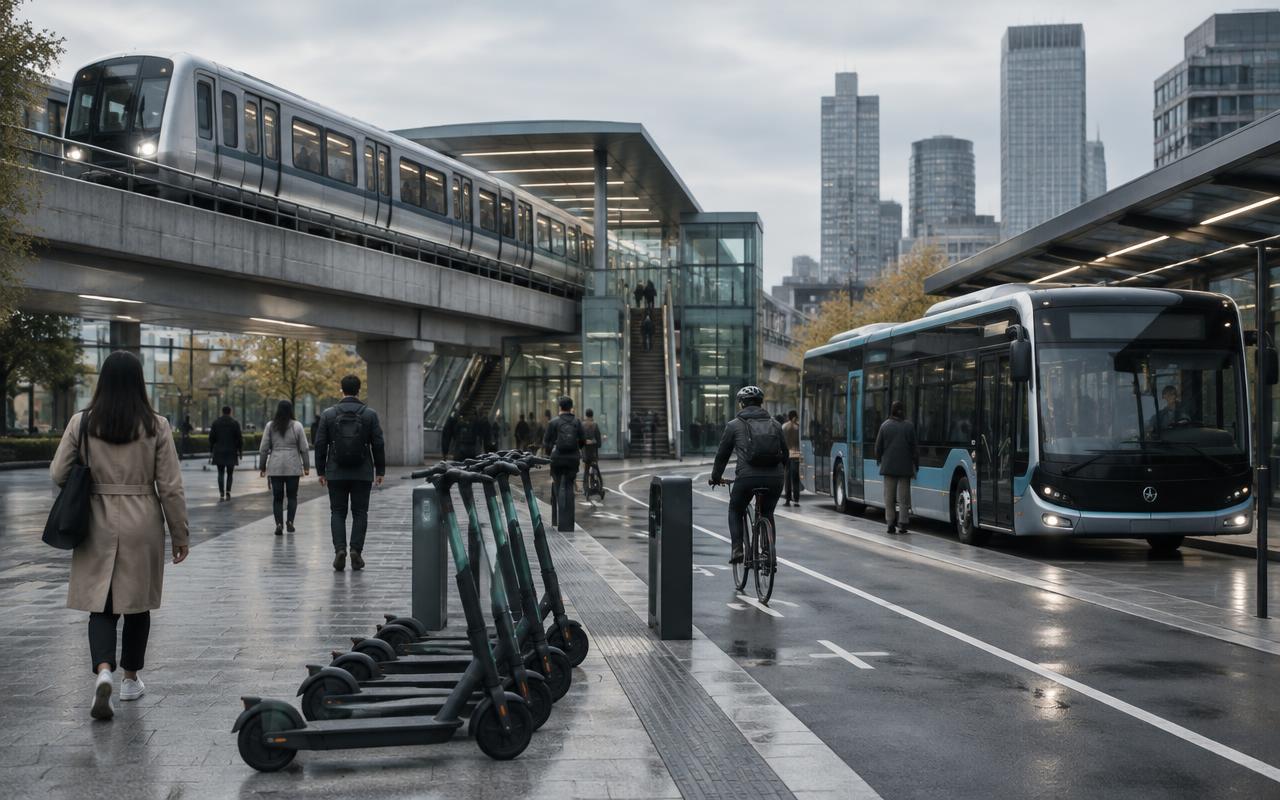
Transportation Systems
교통시스템
Graduate survey of multimodal transportation systems — road, rail, transit and emerging mobility such as ITS, MaaS and automated vehicles — and the methods used to analyze and evaluate them.
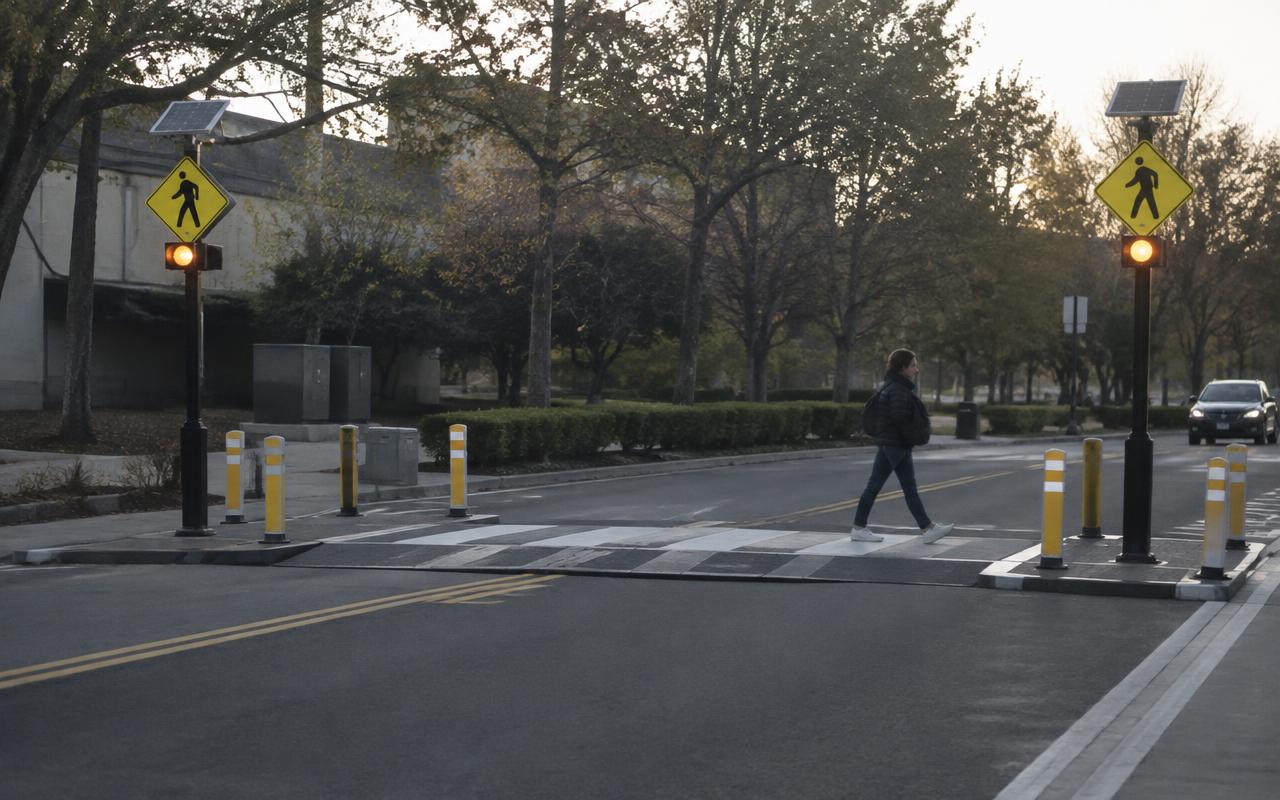
Traffic Safety Engineering
교통안전공학
Advanced methods in traffic safety: crash data analysis, econometric safety models, human factors, before-after evaluation and data-driven safety and disaster-resilience planning.
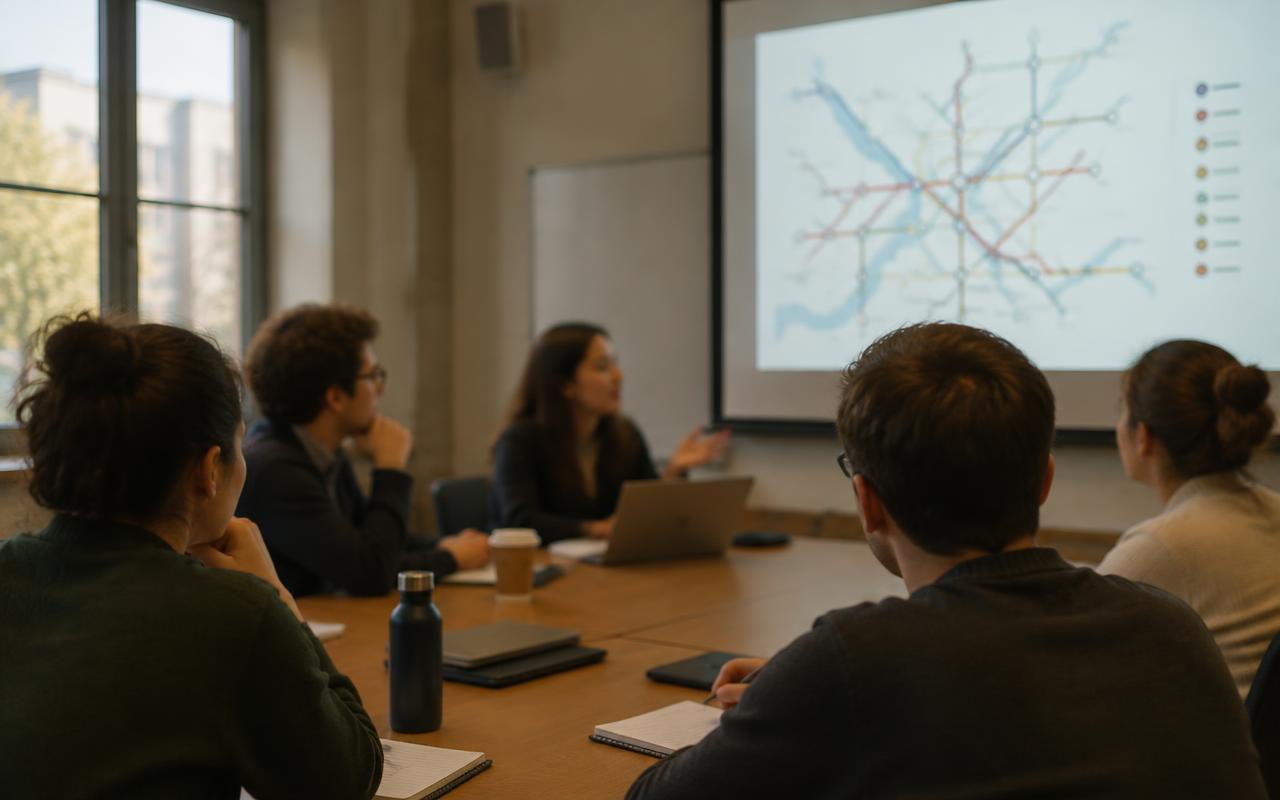
Transportation Seminar
교통세미나
Students present and discuss recent research papers and their own work in progress, building the reading, writing and presentation skills needed for SCI(E) and KCI publication.
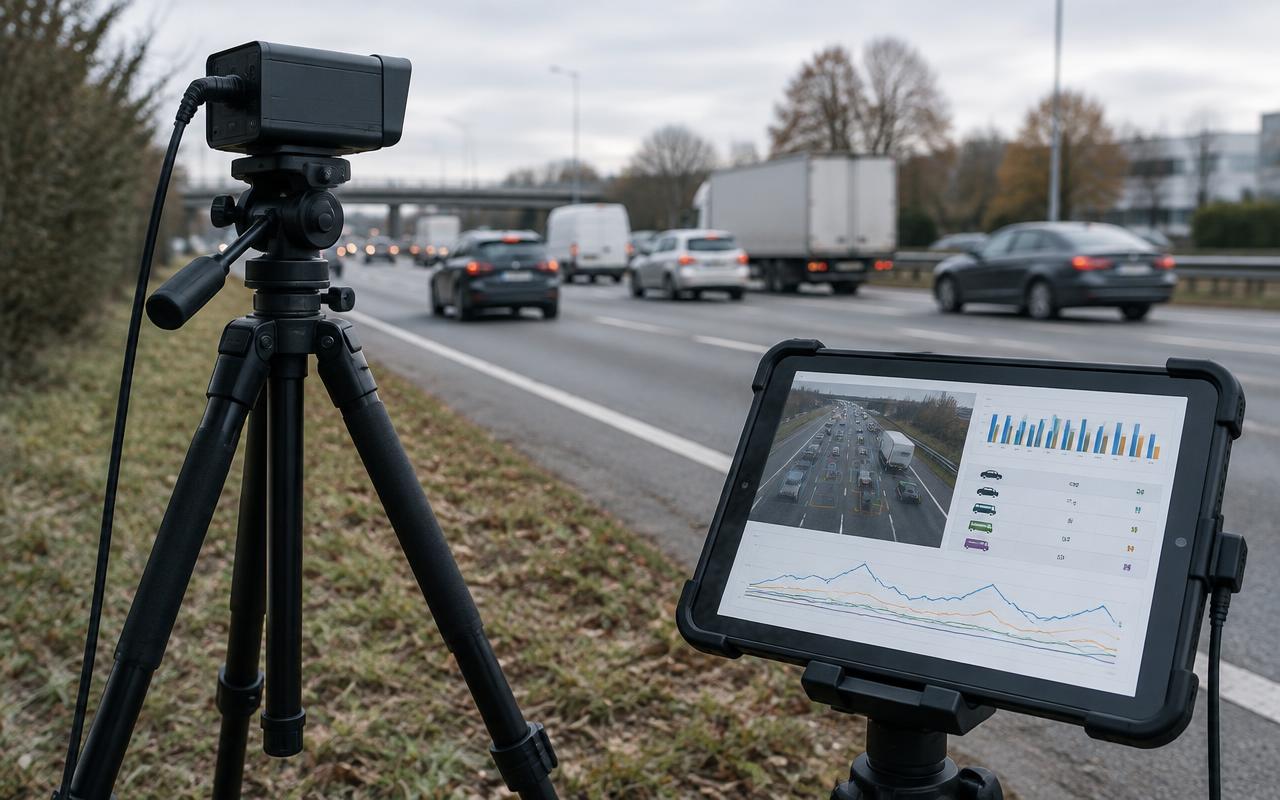
Transportation Survey and Analysis
교통조사분석론
Designing and running transportation surveys — traffic counts, travel and stated-preference surveys — and analyzing the data with statistical and econometric models.
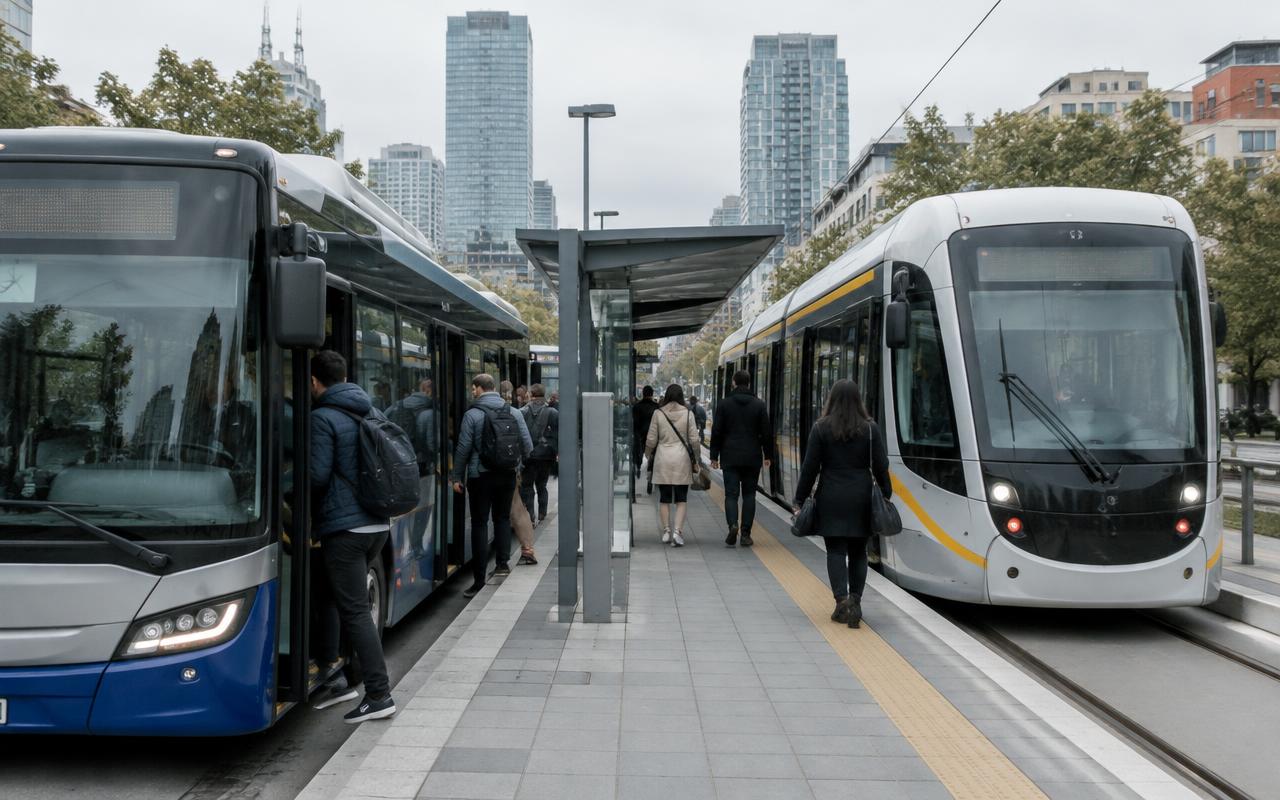
Public Transportation
대중교통론
Planning, operation and evaluation of bus and rail systems — network and route design, service frequency, transit demand, smart-card data analysis and policy.
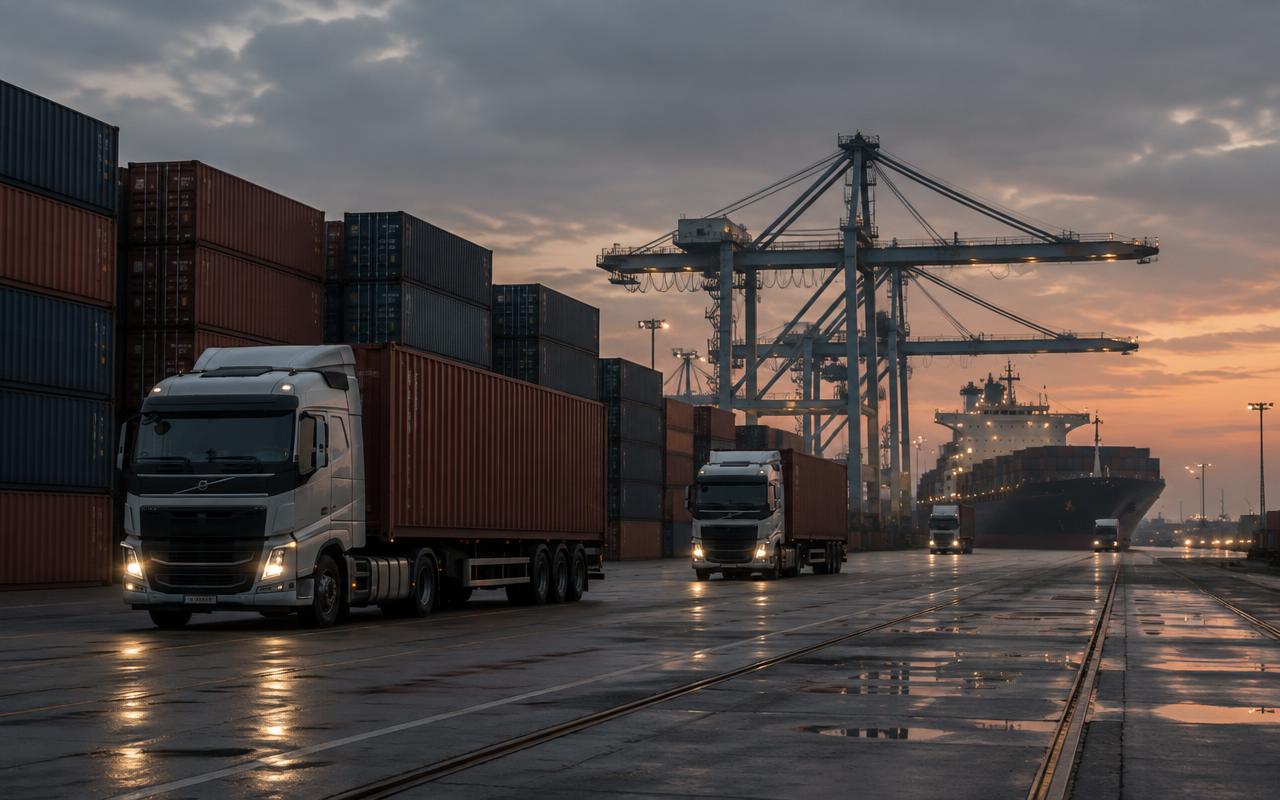
Freight Transportation
화물교통
Freight and logistics systems: freight demand modeling, truck and multimodal operations, logistics facility location, urban delivery and freight-related safety.
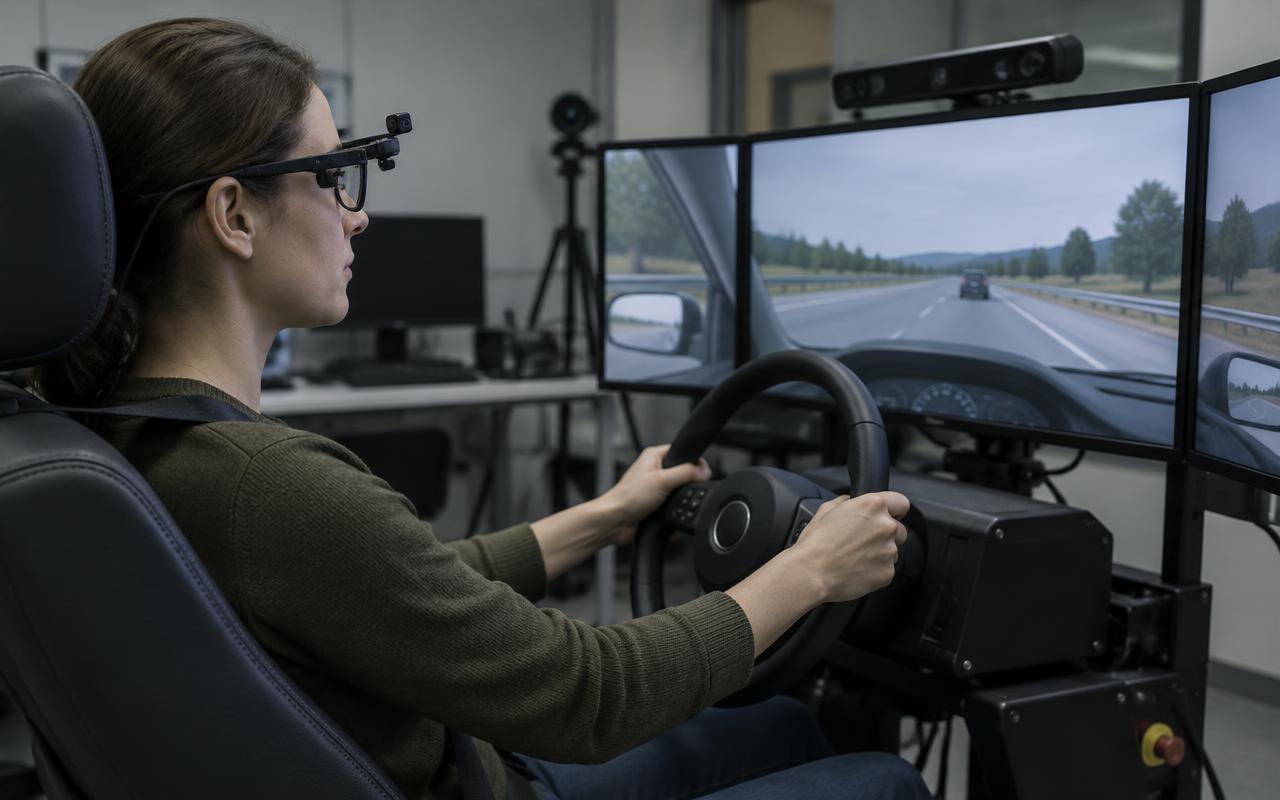
Advanced Human Factors
인간공학특론
Driver perception, attention and behavior in transportation systems, including driving-simulator and eye-tracking experiments, and their use in road and vehicle safety design.
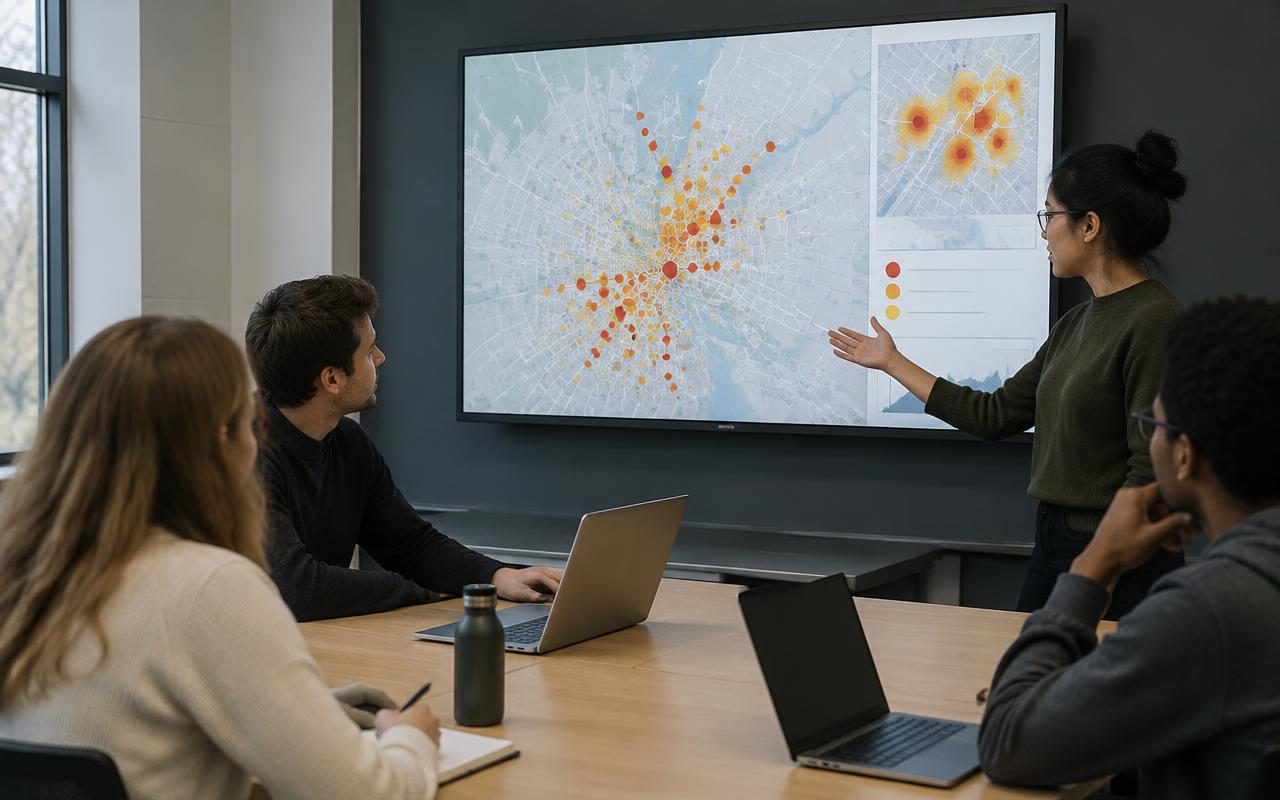
Traffic Safety Seminar
교통안전세미나
Graduate seminar reviewing recent traffic safety and disaster-resilience research. Students present papers, discuss methods and develop their own research ideas.